The Science Behind Perfect Colour Pairing
Colour is more than just a visual choice—it’s a language, a mood, and a powerful tool that can completely transform how your outfit feels. Whether you prefer soft pastels, bold brights, or muted neutrals, understanding the science behind pairing shades helps you elevate your style with intention. Here’s how colour theory, balance, and psychology guide the art of flawless fashion coordination.
Colour Psychology
Every colour carries an emotion. When you choose shades for your outfit, you’re not just picking visually appealing tones—you’re expressing a feeling. Warm colours like reds, oranges, and yellows often signal confidence, energy, and positivity. Cool tones like blues and greens offer calmness, stability, and a sense of ease. Neutrals, on the other hand, bring subtlety and refinement, making them dependable for everyday elegance. Understanding these emotional cues helps you choose colours with purpose rather than chance.
Tone Harmony
Beyond basic colours, tones play a crucial role in pairing. Every shade has a temperature, depth, and saturation level. Wearing two colours that share similar undertones—warm with warm, cool with cool—instantly creates harmony. For example, a dusty rose top pairs beautifully with warm beige trousers because they share a soft, warm undertone. Similarly, icy blue complements charcoal grey as both carry cool, muted tones. Mastering tonal harmony ensures your outfits always appear cohesive and intentional.
Contrast Balance
Contrast determines how visually striking your outfit becomes. High contrast, such as pairing black with white or navy with mustard, creates bold, attention-grabbing looks. This pairing works beautifully when you want a stronger presence or a dramatic aesthetic. Low contrast outfits—think lilac with periwinkle or olive with brown—give a softer, more sophisticated look.
Shade Pairings
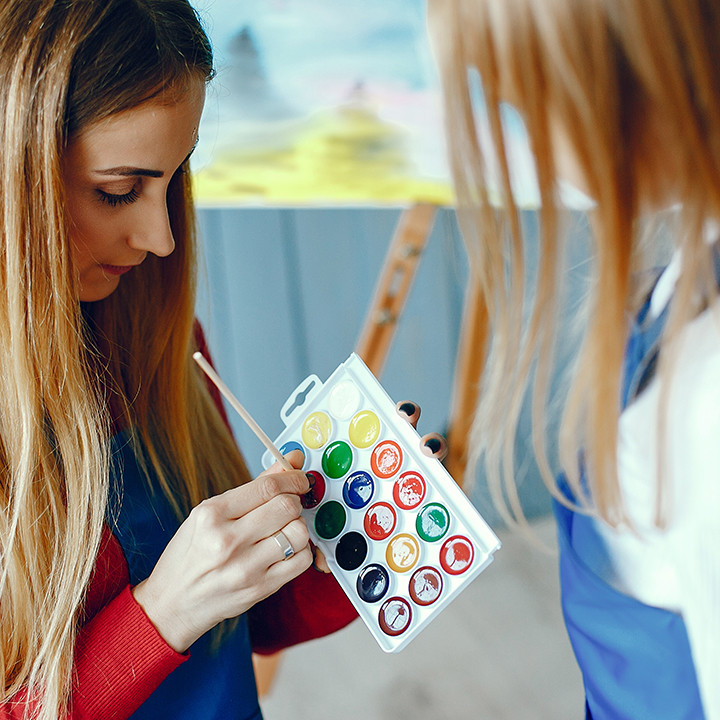
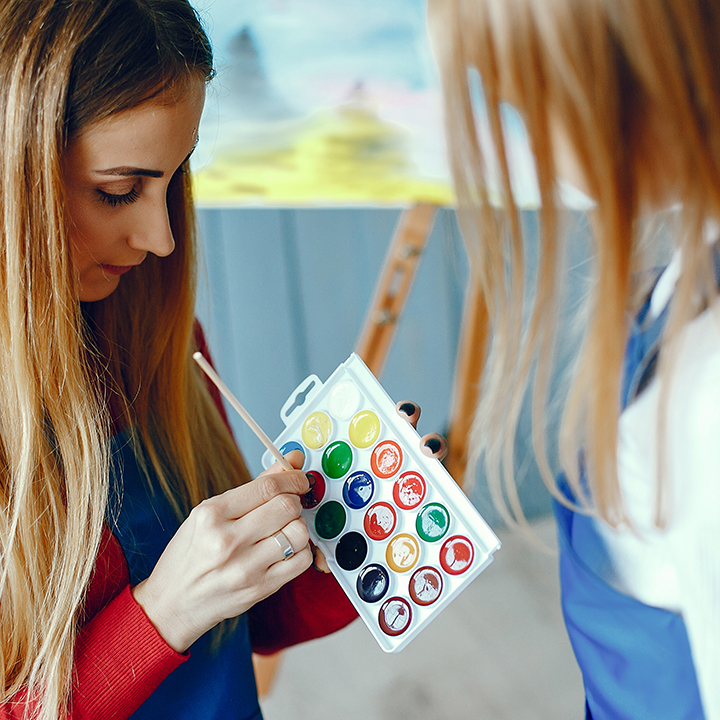
Colour pairing becomes easier when you understand which shades naturally complement each other. Complementary colours sit opposite each other on the colour wheel—like blue and orange or red and green—and create one of the most striking combinations. Analogous colours, such as pink, peach, and coral, sit next to one another and deliver a smooth gradient effect. Triadic colour schemes use three equally spaced hues, like purple, green, and orange, for a vibrant, balanced mix. These classic combinations form the foundation of effortless styling.
Neutral Magic
Neutrals are fashion’s secret superheroes. Shades like white, grey, tan, black, and cream act as the perfect base for experimenting with bolder hues. A neutral palette helps tone down vibrant colours without losing personality. For example, pairing a bright emerald top with beige trousers instantly balances intensity. Similarly, black and white combinations make any accessory colour—red, gold, royal blue—pop beautifully. Neutrals also allow you to layer multiple colours without overwhelming the outfit.
Seasonal Palettes
Colour pairing also aligns with seasons, making your outfits feel in sync with the time of year. Spring welcomes soft pastels like mint, lavender, and blush. Summer brings brighter, sunnier tones—think coral, turquoise, and canary yellow. Autumn evokes earthy warmth with rust, maroon, mustard, and forest green. Winter embraces deeper, richer hues like navy, emerald, and burgundy.
Final Thoughts
Creating perfect colour pairings isn’t just intuition—it’s guided by science, structure, and a bit of personality. When you blend psychology, undertones, contrast, and seasonal influence, you shape outfits that not only look stunning but also reflect who you are. Embrace the colour wheel, experiment with tones, and watch your style transform with confidence and clarity.