A Beginner’s Guide To Choosing Fabrics That Last
When it comes to building a wardrobe that truly serves you, choosing long-lasting fabrics is one of the most important decisions you can make. Fabric quality doesn’t just influence how your outfit looks—it determines how it feels, how it drapes, how it holds colour, and ultimately how long it stays in your closet. If you’ve ever wondered why certain clothes lose shape, fade too quickly, or feel uncomfortable after a few washes, the answer lies in their fabric quality. This guide will help you understand the basics of selecting durable materials so you always invest in pieces that look good and live long.
Fabric Basics
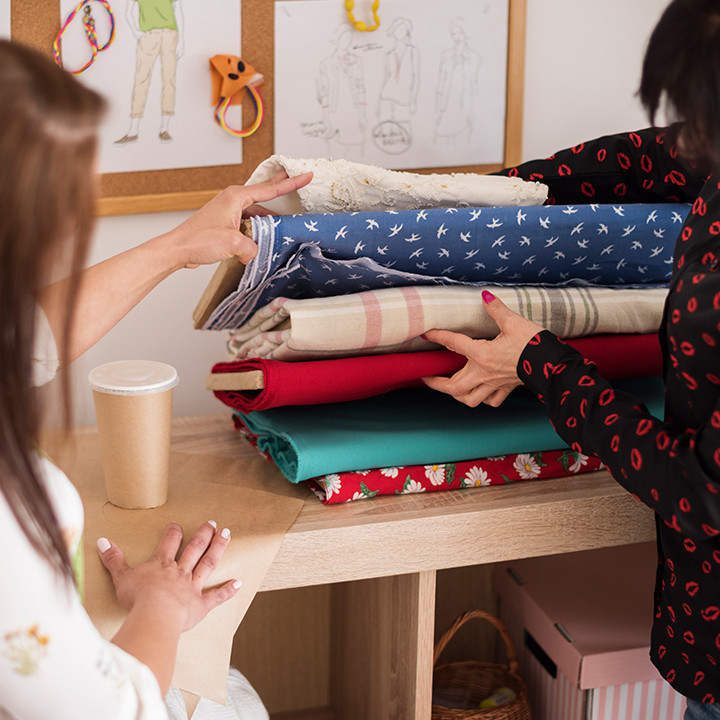
The foundation of longevity in clothing starts with understanding the nature of the fabric itself. Fabrics generally fall into two categories: natural and synthetic. Natural fabrics like cotton, silk, linen, and wool tend to be more breathable, environmentally friendly, and long-lasting. Synthetic fabrics such as polyester and nylon are known for their strength, wrinkle resistance, and affordability. Both have their place in fashion, but knowing when to choose which makes all the difference. For everyday wear, blends of natural and synthetic fibers often give you the best of both worlds—comfort plus durability.
Durability Indicators
When judging whether a fabric will last, pay attention to key indicators such as fiber length, thread count, and weave type. Longer fibers—like long-staple cotton or mulberry silk—generally make stronger, smoother, and more durable fabrics. Similarly, a higher thread count usually means a tighter structure and longer-lasting finish. The weave also plays a significant role: twill and sateen weaves tend to be stronger and smoother compared to loose or open weaves. Understanding these indicators helps you distinguish between clothing that stays beautiful for years and pieces that wear out too quickly.
Natural Strengths
Natural fabrics are known for their inherent durability and comfort, making them ideal for everyday staples. Cotton, for instance, is breathable, soft, and strong—especially when you choose high-staple varieties like Egyptian or Pima cotton. Linen is another excellent choice; it becomes stronger when wet and grows softer over time, making it perfect for summer wear. Wool and cashmere offer unmatched warmth and longevity when properly cared for. Silk, though luxurious, is surprisingly strong due to its long, continuous fibers. Investing in high-quality natural fabrics ensures your wardrobe remains timeless and long-lasting.
Blend Benefits
Blended fabrics combine fibers to maximize performance. Cotton-polyester blends, for example, resist shrinking, dry quickly, and retain shape better than pure cotton. Wool blends often add softness and reduce itchiness while improving durability. Linen blends help reduce wrinkling without compromising the airy feel of pure linen. The right blend can provide superior strength, comfort, and longevity—all in one garment. When shopping, pay attention to the fiber percentages: a higher natural fiber content typically ensures comfort, while a balanced blend ensures resilience.
Final Thoughts
Ultimately, choosing fabrics that last is about making mindful, informed decisions. Look beyond trends and focus on quality indicators, natural strengths, and proper blends. Touch the fabric, feel its weight, examine its construction, and trust brands that emphasize craftsmanship. By learning to identify long-lasting materials, you not only elevate your wardrobe but also invest in clothing that respects your comfort, style, and money. Smart fabric choices lead to a smarter, more sustainable wardrobe—one that supports you season after season.